Beware of frauds: Online appointments are available only after confirmation with the hospital for any of our consultant doctors.
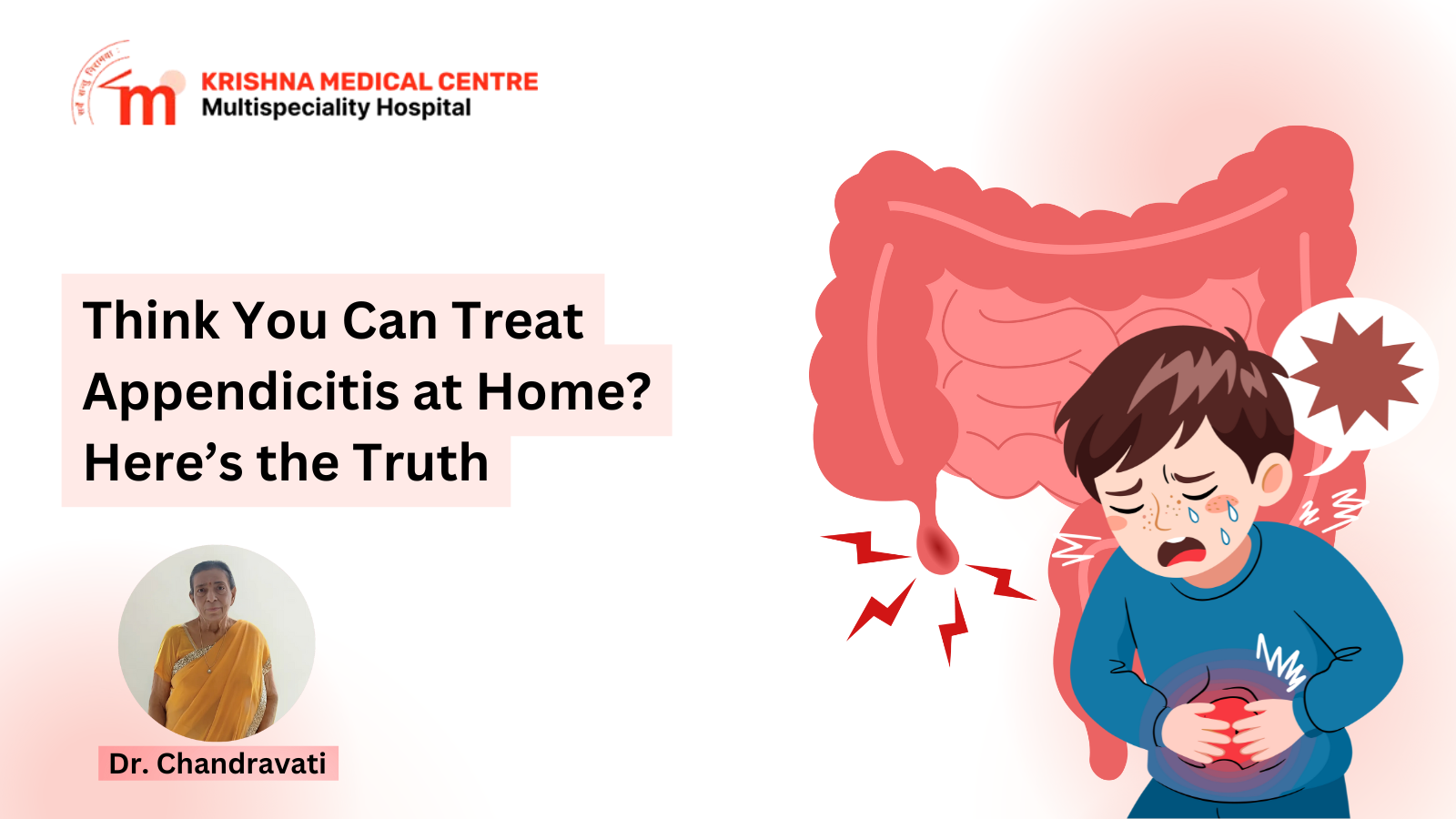



What would you do if you suddenly felt sharp abdominal pain and weren't sure if it was something serious? Abdominal pain can signal many different conditions, but one of the most concerning is appendicitis. This occurs when the appendix, a small organ attached to the large intestine, becomes inflamed. Left untreated, appendicitis can lead to severe complications.
Can it be treated at home? Let’s dive into what you need to know and the steps to take if you suspect appendicitis.
Appendicitis is the inflammation of the appendix, a small, finger-shaped organ located on the right side of the abdomen. While it doesn’t serve a major function in the body, its inflammation can quickly become life-threatening.
The condition often results from a blockage in the appendix, caused by stool, a foreign object, or even cancer. Once blocked, bacteria in the appendix can multiply, causing infection. If left untreated, the appendix may rupture, spilling bacteria into the abdomen and leading to severe infection.
In short, no, appendicitis cannot be treated at home. It is a medical emergency requiring prompt intervention, typically through surgery. Trying to manage appendicitis by resting or taking over-the-counter pain relievers may seem like an easy fix, but this can actually worsen the condition.
A ruptured appendix can lead to peritonitis, a severe infection of the abdominal cavity, or even sepsis. Seeking medical care immediately is critical to avoid serious complications.
The first signs of appendicitis often begin with a dull pain near the belly button, which can move to the lower right side of the abdomen. Other symptoms may include:
If any of these symptoms appear, especially if the pain worsens or shifts, seek medical attention immediately.
If you suspect appendicitis, act quickly. Don’t wait for the symptoms to get better on their own. Seek immediate medical help, where a doctor will perform a physical exam and may order blood tests or imaging (such as a CT scan) to confirm the diagnosis.
Time is of the essence; prompt medical intervention can prevent serious complications like a ruptured appendix.
Though medical treatment is essential for appendicitis, there are a few things you can do while awaiting care:
Avoid using home remedies such as heating pads or laxatives, as these can make the condition worse.
The standard treatment for appendicitis is surgery, known as an appendectomy, which removes the inflamed appendix to prevent it from rupturing.
In some cases, antibiotics are used before surgery if there is an infection, but surgery remains the most effective treatment. After surgery, recovery can take from 1 to 3 weeks, depending on the method used. Full recovery may take a month or more.
Appendicitis is a potentially life-threatening condition. If left untreated, the appendix can rupture, causing the infection to spread throughout the abdominal cavity, which can lead to peritonitis or sepsis, both of which are serious, life-threatening conditions. Seeking prompt medical attention significantly reduces the risk of complications and helps ensure a smooth recovery. The sooner appendicitis is diagnosed and treated, the better the outcome for the patient.
If you're curious about how appendicitis develops over time, check out our detailed blog on the 4 Stages of Appendicitis: How the Disease Progresses. Understanding the progression of the disease can help you recognize the signs earlier, making it easier to seek timely medical help.
Appendicitis is a serious condition that requires immediate medical attention. If you experience symptoms like persistent abdominal pain, nausea, and fever, do not wait. Timely intervention is crucial in preventing complications and ensuring a full recovery. Seek medical help as soon as possible for the best possible outcome.
What would you do if you suddenly felt sharp abdominal pain and weren't sure if it was something serious? Appendicitis is a medical emergency, and timely treatment is crucial. If you're experiencing symptoms or need expert guidance, contact Dr Anubhav Singh at Krishna Medical Centre for immediate assistance and care. Early intervention can make all the difference!